

Theres a moment every alliance leader dreads: sitting in a management meeting, looking at a spreadsheet with eight GSI relationships listed, realizing you have four people managing them all.
This is the moment you understand that more partners dont equal more revenue.
In fact, they often mean the opposite.
The Uncomfortable Truth About Partner Overload
Most organizations approach partner selection with a scarcity mindset: more partners = more reach, more deals, more revenue. It sounds logical. Its almost never true.
The real math is brutal: Manage seven or eight large GSIs (each with 100,000+ employees) with a four or five-person team, and you are not managing partnerships. Youre managing chaos – reacting to inbound requests rather than executing strategy or even spreading your attention so thin that none of your partners feel valued, and none of them get the support they need to succeed.
When this happens and it does, in most enterprises – the level of failure is predictable:
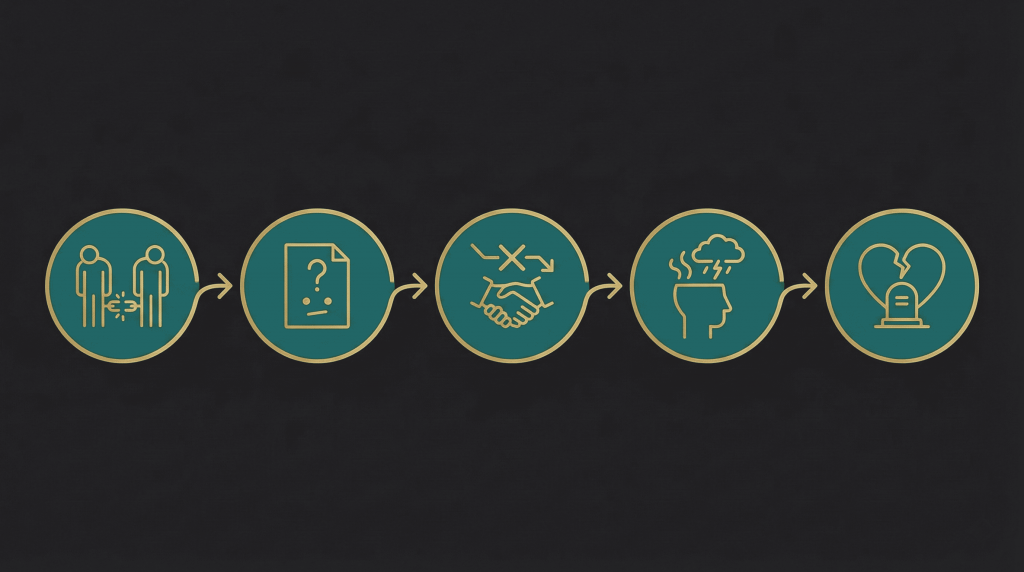
Partners arent motivated → Your proposals are mediocre → You lose deals → Frustration builds on both sides → The partnership dies queíetly→ Word spreads through the partner ecosystem
That last point matters more than most people realize. GSIs talk to each other. A bad partner experience with you doesnt stay private. It becomes a data point: “Conpany XYZ? We heard theyre stretched too thin to support us properly.” Suddenly, your reputation problem isnt with one partner – its ecosystem-wide.
This is the snowball effect. Once it starts, stopping it requires more effort than preventing it in the first place.
Why This Matters Now: The AI Complexity Factor
Heres what has changed: AI-powered solutions require deeper partner enablement, not less.
Your partners arent just reselling your product anymore. They are integrating it into complex customer environments, training their consultants to position AI in ways that make sense for healthcare, manufacturing, financial services. They arre building solutions on top of your platform. This requires investment – in training, in technical resources, in joint innovation.
If youre stretched across 8+ partner relationships with minimal capacity, you cant provide that level of enablement. Your partners will choose a competitor who can. And honestly? They should.
This is why leading technology vendors are making a visible shift right now: They are being selective about which partners they deeply invest in. Not abandoning partners, but making clear decisions about where they allocate resources based on partner commitment and investment potential.
The vendors winning are the ones brave enough to say: “We are going to focus on 3 – 5 strategic partnerships and make them exceptional. The rest get standard support.”
The Investment-First Selection Framework
So how do you choose? You start with a simple question: Is this partner willing to invest?
Not “Can they?” but “Will they?”
Investment signals commitment. And commitment predicts performance.
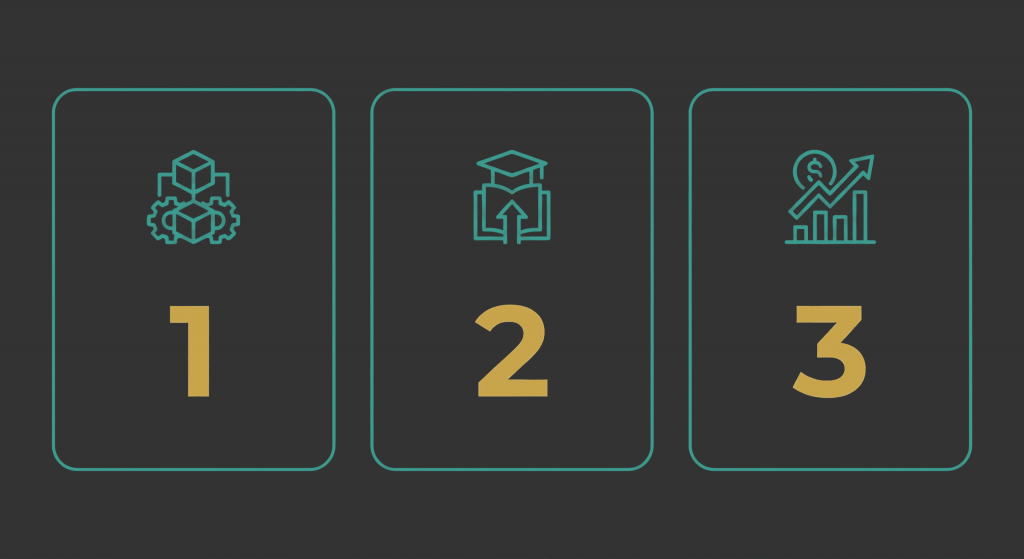
Here are the 3 questions you should ask every partner before bringing them into your ecosystem:
Question 1: Are you willing to dedicate resources?
This is about more than headcount. Its about whether a partner will assign a dedicated account team, allocate budget, and prioritize your relationship in their resource allocation. When a GSI says “yes,” it shows up as real people with real time. When they say “no,” or hedge with “we will see,” thats your answer.
Question 2: Are you investing in training of your consultants?
Partners who invest in certifying their teams see ROI (its not always about the money, but often about time they take to train their consultants). This is the leading indicator of partnership success. Why? Because training investment is expensive. Partners only do it when they believe in the relationship long-term. Without it, you get transactional relationships: “We will sell your product when a customer asks for it.” With it, you get strategic relationships: “We are building our practice around this.”
Question 3: Are you ready to measure and optimize for ROI?
This one separates serious partners from wishful thinking. Partners committed to ROI want to understand what success looks like. They want joint business plans. They want QBRs where you actually review metrics, not just status updates. They are willing to have hard conversations about whats working and what isnt.
Why does this matter? Because partners focused on ROI are partners willing to make the relationship work. They are not looking for discounts; they are looking for results. And they will do the work to get there.
The framework in practice: You evaluate every potential partner against these 2 dimensions. Some will score high on all 3. Some will score low on 1 or 2. The ones that score low? They are not necessarily bad partners, but they are not ready for your current portfolio.
This framework isnt about being exclusive. Its about being honest. And this upfront attitude saves time at a later stage.
The Real Story: When Focus Becomes Your Competitive Advantage

When I took over a subset of GSI partnerships, I inherited a mess: 3 large relationships, limited bandwidth, and the same problem I just described.
Most leaders would have tried to manage all 3 equally. I made a different choice.
I evaluated each partnership against my investment framework. One partner showed limited commitment to training and resource allocation. They were a good company, but they werent willing to invest in the relationship the way I needed them to. The hard decision: I said no.
The other two partners scored high on investment and commitment. But I couldnt support both equally. So I allocated my time explicitly: 70% to the partner showing the highest potential and commitment, 30% to the 2nd.
This wasnt comfortable. It felt like I was abandoning the second partner. But it was the only way to unlock value.
What happened? The partner getting 70% of my focus became a powerhouse. Joint business plans. Strategic QBRs. Real innovation. That relationship drove massive revenue and became the model for how the company should think about partner strategy.
The partner getting 30% of my focus? They still performed well. They werent getting my full attention, but they were getting intentional, strategic attention. And they knew where they stood.
The partner I said no to? They found success with a competitor. No drama, no bad blood. Just an honest conversation about capacity and fit.
Within a year, this focused approach generated a business case to hire more team members. Why? Because it was working. And because our GSI partners were so much more satisfied that they actively advocated for us to hire more resources to support the partnership further.
The lesson: Saying no at the beginning is a lot easier than saying “I cant support you” in few years.
What Your Leadership Team Needs to Understand
Here iss the conversation you need to have with your management and executive team – and I mean have, not hint at.
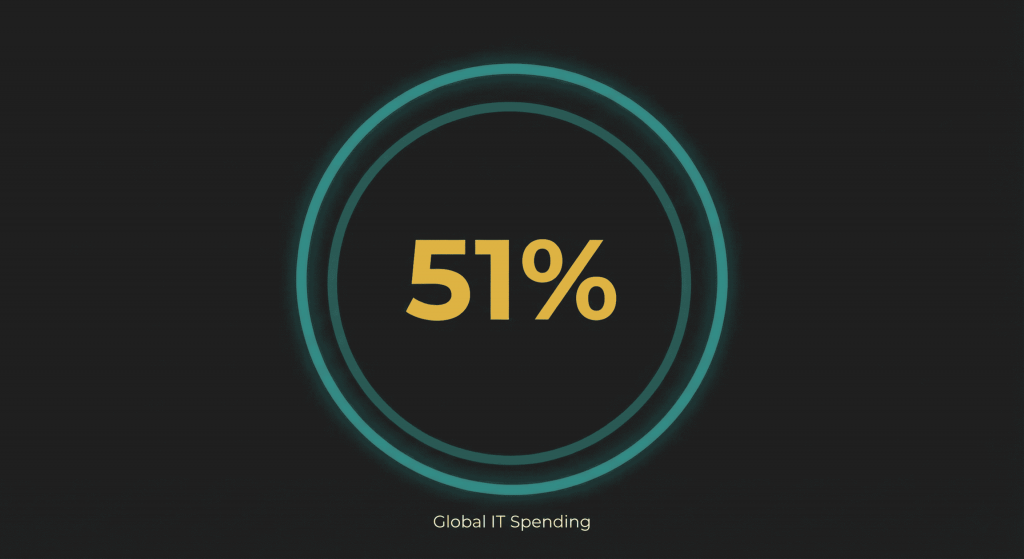
“GSIs control approximately 51% of global IT spending. This is not a channel—it’s the market. We cannot afford to handle this poorly through overextension and mediocre support.”
Frame it this way:
- Strategic clarity: Which partners are aligned with our go-to-market strategy? Which ones are we willing to invest in deeply?
- Resource reality: How many high-quality partner relationships can our team actually manage? (Honest answer: Its probably fewer than you are currently trying to manage.)
- Opportunity cost: We are currently allocating X resources across Y partners, resulting in mediocre outcomes with all. What if we reallocated to Z strategic partners and unlocked exceptional outcomes?
- Market validation: Leading vendors are consolidating their partner portfolios. They are not abandoning the channel – they are being more strategic about where they invest. We should too.
The hardest part of this conversation? You might have to admit that your current partner portfolio is too broad. You might have to have difficult conversations with existing partners about reducing support or refocusing the relationship. You might have to say “no” to partners who could generate revenue but would dilute your capacity.
All of this is worth it.
Because the alternative – managing eight GSIs with four people, delivering mediocre support, seeing deals slip through the cracks, watching partner satisfaction decline, hearing that we are “too stretched to help”—that alternative is a slow death.
Three Concrete Next Steps for Your Organization
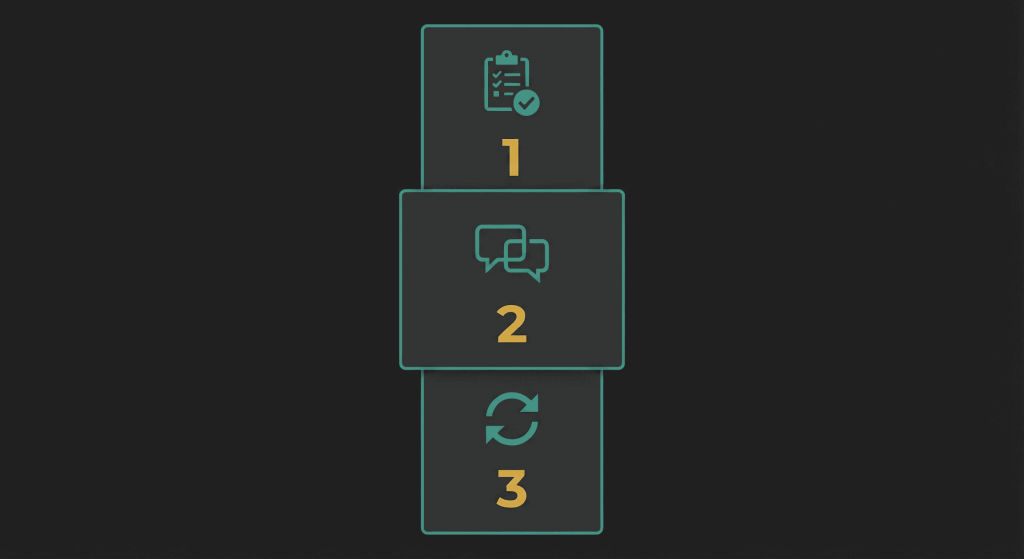
1. Audit your current partner portfolio.
Dont do this politically. Do it honestly. Map each partner against 3 questions:
- Are they committed to investing in the relationship?
- Are they training their teams?
- Are they focused on mutual ROI?
Which partners score high? Which ones would you pass on if you could start fresh?
2. Have the capacity conversation with your leadership.
Get clear on: How many high-quality GSI relationships can your team realistically support? If the honest answer is 3 or 4, and you are currently managing eight, you have a problem that hiring can fix—but only if you articulate the business case.
Use this framework: “We are currently allocating our resources inefficiently. By focusing on X strategic partners, we can unlock Y revenue and Z customer satisfaction. Heres what we need to get there.”
3. Its never too late to reset.
If you are reading this and thinking, “But we already committed to all these partnerships,” I have good news: You can still change course. Its awkward. It requires honest conversations. But its possible and its worth it.
Start with your top performers. Double down. Show them what it looks like to have a vendor thats truly invested in their success. Then, when you have bandwidth, expand strategically.
The partners you say no to? Most will understand. The market is tight. Everyone knows capacity is real. GSIs respect vendors who know their limits and are honest about it.
The Bottom Line
Saying “no” to a partner feels like leaving money on the table.
Statistically, you are doing the opposite. You are preventing a bad relationship that would have cost you more in frustrated efforts, mediocre deals, and ecosystem reputation than the revenue it would have generated.
Your most valuable partnerships will come from being selective, not generous.
When you focus, you win. When your partners know you are focused on them, they invest more. Thats not a trade-off. Thats the flywheel.